

South Korean stocks are making a strong comeback as growing investment in artificial intelligence gives fresh momentum to the country’s technology and semiconductor companies. The KOSPI index rose sharply on August 14, reaching a three-week high and putting the market on track to break a seven-week losing streak. The rally has been led largely by chipmakers, with investors becoming more confident about the outlook for AI-related semiconductor demand.
The renewed optimism is closely linked to the global AI investment boom. Technology companies around the world are spending heavily on data centres, advanced computing systems and AI infrastructure. That spending is creating strong demand for high-performance memory chips, an area where South Korean companies are among the world’s major suppliers.
Samsung Electronics and SK Hynix have been at the centre of the latest rally. Their shares have risen strongly as investors expect continued demand for memory products used in AI servers and other advanced computing systems. On August 13, Samsung gained about 5%, while SK Hynix rose around 6%, helping the KOSPI climb roughly 4% in a single session.
The recovery is particularly notable because South Korea’s stock market went through a severe sell-off only a few weeks ago. The KOSPI suffered one of its sharpest declines in late July as investors reduced leveraged positions and became concerned about valuations in AI-linked semiconductor stocks. The sell-off was severe enough to trigger a temporary trading halt.
Since then, sentiment has changed quickly. Investors are once again focusing on the longer-term growth potential of artificial intelligence rather than the short-term market volatility. Strong demand expectations for memory chips have helped rebuild confidence in South Korea’s technology sector.
The rally is also being supported by developments in the US technology market. A strong performance from US chip stocks has encouraged investors to return to Korean semiconductor shares. South Korean investors have been particularly active in Samsung Electronics and SK Hynix as global demand for AI hardware continues to grow.
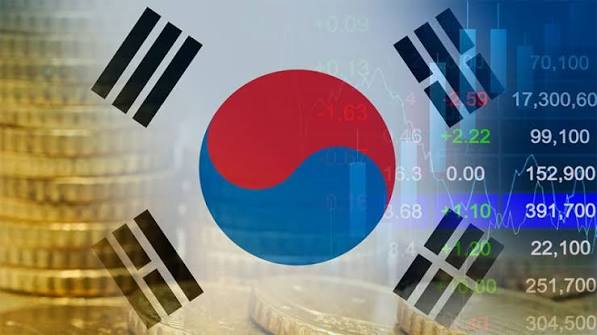
For South Korea, the semiconductor industry is extremely important to the wider economy. The country is heavily dependent on technology exports, particularly memory chips and electronics. A sustained increase in semiconductor demand can therefore support corporate profits, exports and economic activity.
There are also signs that the benefits of the AI boom are extending beyond the two biggest chipmakers. Companies involved in power equipment, industrial infrastructure and energy systems are attracting attention because AI data centres require enormous amounts of electricity and supporting infrastructure. This means the AI investment cycle could create opportunities across several parts of South Korea’s industrial economy.
However, investors remain cautious. The recent market crash showed how quickly enthusiasm around AI stocks can turn into heavy selling when valuations become stretched. South Korea’s market is also highly concentrated in a relatively small number of large technology companies, meaning movements in major chip stocks can have a significant impact on the entire index.
For now, though, the mood has clearly improved. The combination of global AI spending, strong semiconductor demand and renewed interest from investors has brought South Korean technology stocks back into focus.
If AI investment continues at its current pace, South Korea could remain one of the biggest beneficiaries of the global semiconductor cycle. Samsung Electronics and SK Hynix will likely remain the key companies to watch as investors assess whether the latest rally can develop into a more sustained recovery.