
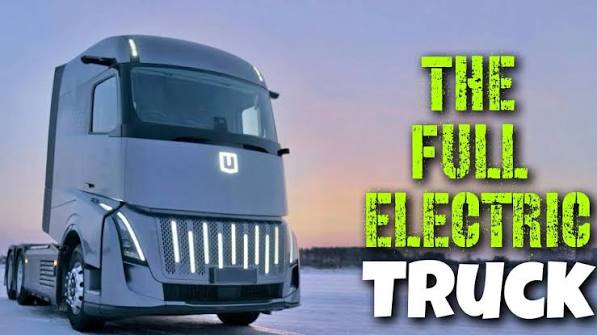
China’s electric-truck industry is getting a major boost from rising fuel prices, with more companies and transport operators across Asia turning to electric vehicles to reduce their dependence on expensive diesel.
Chinese exports of heavy electric trucks more than doubled to 16,823 units in the four months following the start of the Iran conflict in February. Most of these trucks were shipped to South and Southeast Asia, where higher diesel prices have made electric alternatives more attractive to logistics companies.
The increase is closely linked to the sharp rise in fuel costs across the region. Countries such as Sri Lanka and the Philippines depend heavily on imported fuel, leaving their transport industries vulnerable whenever international oil prices rise. The latest energy shock has therefore pushed fleet operators to look more seriously at electric trucks.
For companies that run trucks for long hours every day, fuel is one of the biggest operating expenses. Electric trucks can reduce those running costs because electricity is generally cheaper than diesel on a per-kilometre basis. Maintenance can also be lower because electric drivetrains have fewer moving parts than traditional diesel engines.
Chinese manufacturers are in a strong position to benefit from this shift. China already has the world’s largest electric-truck fleet, supported by large-scale battery production, established charging networks and years of experience in commercial electric vehicles. The country’s electric heavy-truck market has grown rapidly, with electric models accounting for around 30% of truck sales in China in 2025, compared with almost none in 2021.

One company benefiting from the trend is Sany, one of China’s leading heavy-equipment and electric-truck manufacturers. The company has been increasing its focus on markets outside Europe, particularly Asia and Latin America, where demand for affordable electric commercial vehicles is growing.
The economics are becoming more attractive for fleet owners as well. Sany estimates that the payback period for some electric trucks has fallen from around 28 months to 18 months because of higher fuel prices. A shorter payback period can make it much easier for logistics companies to justify the higher upfront price of an electric truck.
The shift is not limited to trucks. China’s broader electric-vehicle exports have also been increasing rapidly. In May, Chinese EV exports reached a record $9.2 billion, up 49% from a year earlier, with Southeast Asia becoming an increasingly important destination.
For Southeast Asian countries, the move toward electric commercial vehicles is also about energy security. Heavy dependence on imported oil means sudden disruptions in global energy markets can quickly increase transportation costs. Switching part of the commercial fleet to electricity can reduce exposure to international diesel prices and help businesses manage operating expenses.
There are still major challenges. Electric trucks generally have a higher purchase price than diesel models, while charging infrastructure for heavy vehicles is not yet available everywhere. Long-distance freight operators also need reliable charging networks and batteries capable of handling heavy loads over long routes.
However, falling battery costs, improving technology and rising fuel prices are changing the calculation. China’s large manufacturing base allows its truckmakers to offer increasingly competitive electric models, while growing demand abroad gives manufacturers a new market at a time when competition and slower growth are putting pressure on China’s domestic automobile industry. Chinese vehicle exports overall jumped sharply in July, with electric and plug-in hybrid shipments showing particularly strong growth.
The latest export surge shows how quickly an energy crisis can influence transportation choices. If fuel prices remain elevated and charging infrastructure improves, electric trucks could become a much more common sight on roads across Asia.
For Chinese manufacturers, the trend represents a significant overseas opportunity. For Asian transport companies, electric trucks offer a way to reduce fuel costs. And for governments, greater electrification could help cut diesel consumption and emissions.
The electric-truck market is still relatively small compared with the overall global commercial-vehicle industry, but China’s latest export figures suggest that the transition is moving beyond its domestic market and increasingly becoming a regional story.